
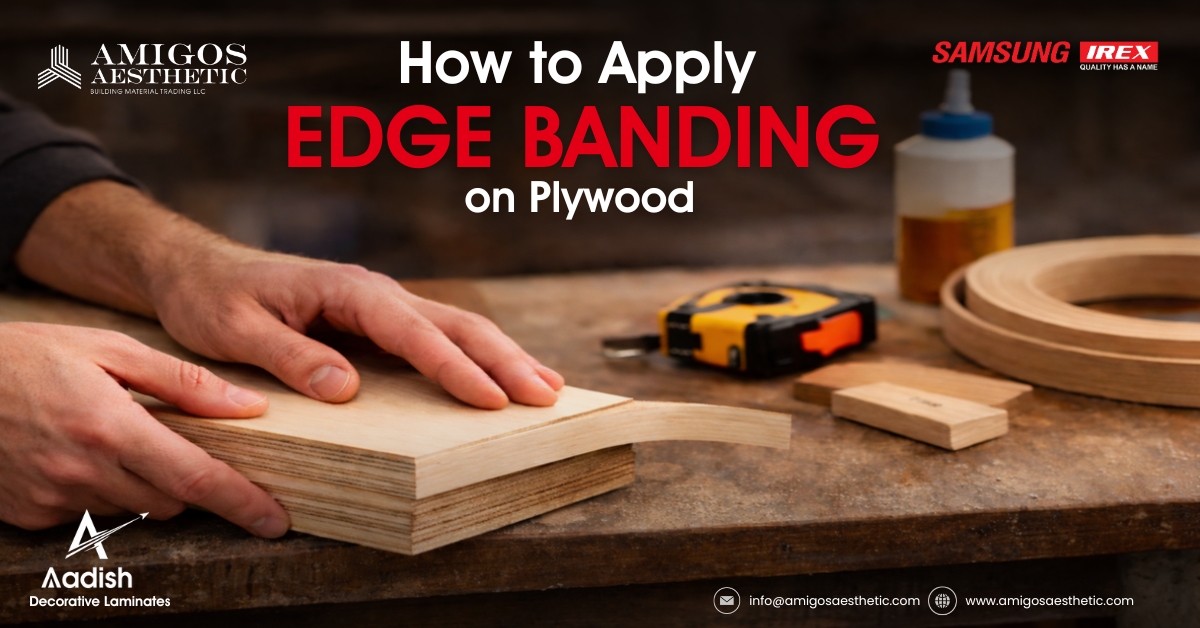
Edge banding is the finishing step that gives plywood a polished and professional look. If you are a carpenter, DIY enthusiast, or furniture manufacturer, understanding how to apply edge banding elevates the quality of your work.
In this blog, we will discuss the step-by-step process of using edge banding tape like a pro. Moreover, we will highlight insights on choosing the right plywood tape, understanding the tape price, and finding reliable edge banding tape suppliers.
What is Edge Banding Tape?
Edge banding tape is a thin strip made from materials like PVC, ABS, or Melamine used to cover the exposed edges of plywood, MDF, or particleboard. It matches the surface laminate, giving a seamless and durable appearance to furniture pieces.
Whether you are working with cabinets, tables, or shelves, using edge banding tape for laminates ensures smooth and strong edges that resist chipping, cracking, and moisture absorption.
What is the Purpose of Plywood Edge Banding?
Edge banding plays a vital role in both the strength and aesthetics of plywood-based furniture. Whether you are a professional carpenter or a DIY enthusiast, applying plywood tape transforms the outcome of your project.
1. Boosts Durability and Structural Integrity
Exposed plywood edges are prone to:
- Chipping from accidental knocks
- Absorbs moisture, which can lead to swelling
- Long-term risk of delamination or warping
By applying edge banding tape, you create a protective barrier for the raw edges. This extends the life of the furniture and keeps it damage-free. Edge banding is especially beneficial for kitchen cabinets, office desks, bookshelves, and workshop furniture.
2. Creates a Seamless, Professional Look
The layered edges of plywood often appear raw and unfinished. Edge banding tape for laminates conceals these layers, giving a clean, continuous surface that resembles solid wood.
For instance:
- Bookshelves look polished when the edges match the laminate.
- Dining tables instantly gain a premium, store-bought finish.
3. Affordable and Customisable Finishing
With a wide range of materials and finishes available, edge banding is a cost-effective way to upgrade furniture. The edge banding tape price varies depending on the material (PVC, ABS, or Melamine), but even premium options are more affordable than solid wood.
Many edge banding tape suppliers also offer laminate-matching options to achieve modern aesthetics such as textured wood grain, high gloss, or bold colours.
Steps to Applying Edge Banding on Plywood
Applying edge banding is the best way to protect raw plywood edges and give your woodwork a professional look. Follow these steps:
Step 1- Select the Right Edge Banding Tape
Choose plywood tape that matches your surface colour or texture. For beginners, pre-glued edge banding tape for laminates works best, it comes with heat-activated adhesive on the back.
Step 2- Prep the Plywood Edge
Ensure the plywood edge is clean and dry. Lightly sand it to remove splinters, then wipe with a cloth.
Step 3- Cut the Tape to Length
Measure and cut the tape about 1–2 cm longer than the edge. This allows for precise trimming later.
Step 4- Apply Heat with an Iron
- Place the tape on the edge.
- Use a household iron (medium heat, no steam).
- Move the iron slowly along the tape to activate the glue.
- Apply gently, even pressure.
Step 5- Press the Tape Down
Use a wooden block, roller, or cloth-wrapped tool to press the tape down firmly for a tight bond.
Step 6- Trim the Excess
Once cooled, trim the extra tape using a sharp utility knife or edge trimmer.
Step 7- Sand for Smoothness
Lightly sand the trimmed edges with 220 grit sandpaper in a downward motion.
Step 8- Final Cleanup
Wipe with a clean cloth to remove dust or residue. Your plywood now has a professional finish without requiring expensive tools.
Examples of Edge Banding Applications
- Kitchen Cabinets: Protects edges from steam, spills, and frequent use.
- Office Furniture: Desks and tables gain a sleek, long-lasting finish.
- Bookshelves: Open shelves look polished and high-quality.
- DIY Projects: Coffee tables, study desks, and TV stands achieve a professional upgrade.
Conclusion
This blog concludes that applying edge banding tape is an essential step to upgrade both the durability and aesthetic appeal of plywood furniture. From preventing chips and moisture damage to creating a seamless finish, banding enhances both function and form.
By following this step-by-step guide and choosing the right tape from trusted edge banding tape suppliers, even beginners can achieve professional-quality results. Whether it’s a small DIY project or large-scale furniture manufacturing, investing in quality plywood tape ensures your creations look refined, last longer, and stand out with a polished finish.
1. What is edge banding tape used for?
Edge banding tape is used to cover the exposed edges of plywood, MDF, or particleboard to protect them from damage and give furniture a smooth, finished look.
2. Can beginners apply edge banding tape at home?
Yes, beginners can easily apply pre-glued edge banding tape using a household iron and basic tools.
3. Which materials are commonly used for edge banding tape?
Common materials include PVC, ABS, and Melamine, each offering durability and different finish options.
4. Why is edge banding important for plywood furniture?
It protects raw edges from moisture, chipping, and wear while improving the overall appearance of the furniture.
5. How do I choose the right edge banding tape?
Select a tape that matches your laminate colour, check the material quality, and buy from reliable edge banding tape suppliers.


