Edge banding might look like a small finishing element in furniture design, but it makes a big difference. It not only improves how furniture looks but also protects the edges from daily wear and tear. Whether you’re designing cabinets, wardrobes, office furniture, or modular kitchens, choosing the right edge banding tape helps give your furniture a clean, polished, and long-lasting finish.Because quality matters, many furniture manufacturers and interior designers prefer working with trusted edge banding tape suppliers who can provide materials that balance durability, appearance, and performance.
In this blog, we’ll walk through the key things you should consider when choosing the right edge banding tape for your project.
What is Edge Banding Tape?
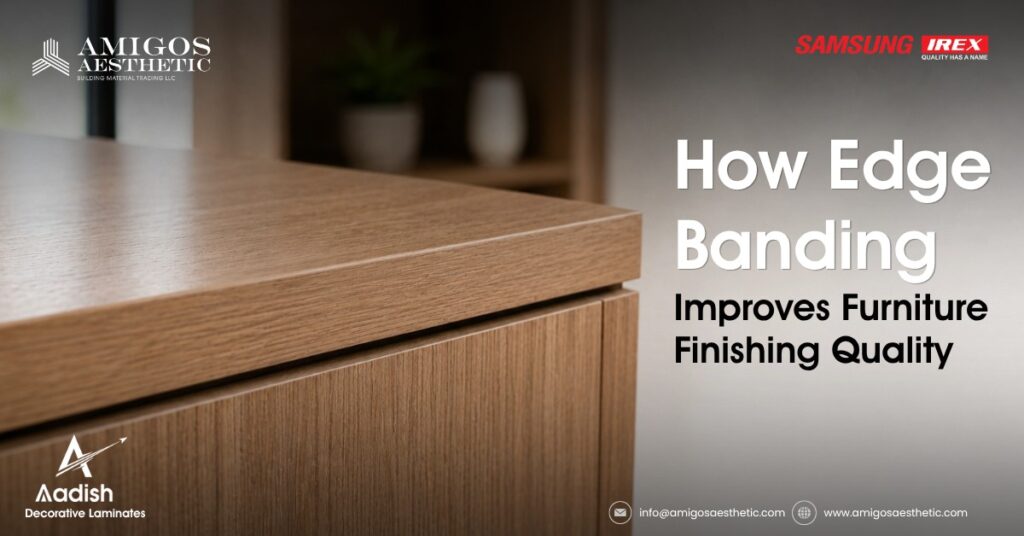
Edge banding tape is a thin strip of material used to cover the exposed edges of plywood, MDF, particle board, or other engineered wood. It improves the appearance of furniture while protecting the edges from moisture, damage, and wear.
Edge banding also gives furniture a seamless and professional finish, making it look like solid wood instead of manufactured boards.
Factors to Consider When Choosing Edge Banding Tape
Material Type
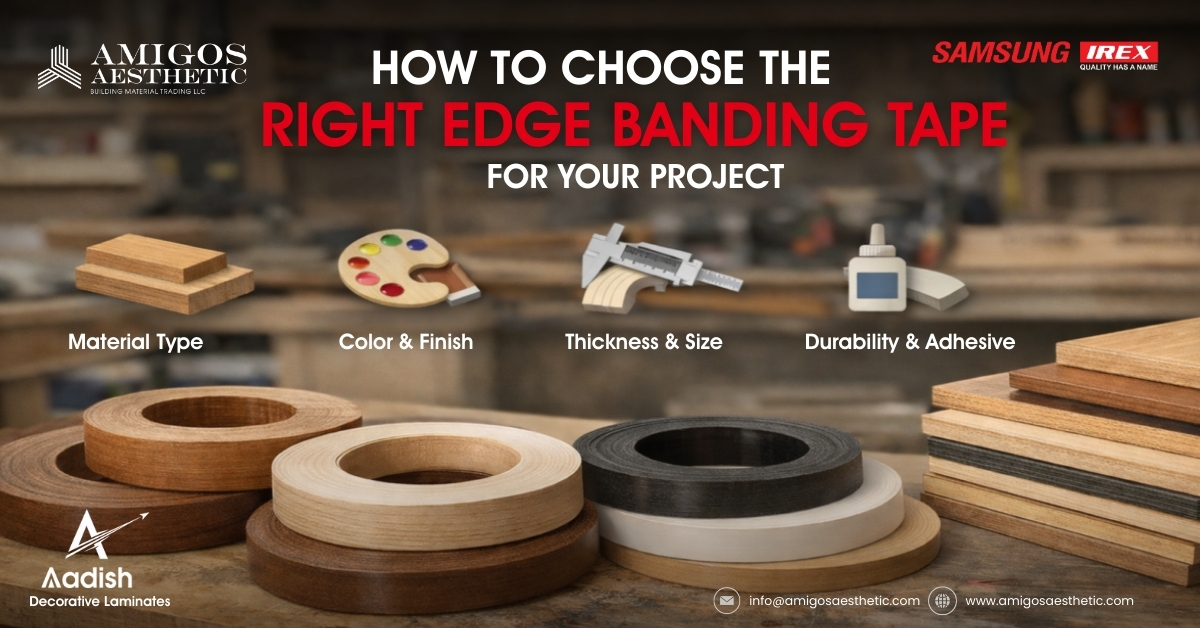
Edge banding tapes come in different materials, each suited for specific needs. PVC edge banding is durable, flexible, and widely used for modular furniture, cabinets, and wardrobes. ABS edge banding is eco-friendly, recyclable, and offers strong durability for modern furniture. Acrylic edge banding provides a glossy, premium finish ideal for designer interiors. Wood veneer edge banding gives a natural wood look for projects that require a classic finish. When selecting the right option, consider durability, aesthetics, project requirements, and the edge banding tape price to find the best balance for your needs.
Thickness of Edge Banding
Thickness plays a key role in how durable the furniture is and how the finished edges look. Edge banding that is 0.5–1 mm thick is usually used for lightweight furniture or decorative pieces where the edges don’t face much stress. A 1–2 mm thickness is commonly chosen for cabinets, wardrobes, and office furniture because it provides a good balance between strength and appearance. For furniture that is used more frequently, especially in commercial environments, 2–3 mm edge banding is a better option as it offers stronger protection. In general, thicker edge banding helps the edges resist impacts and daily wear more effectively, particularly when a good-quality plywood tape is used to neatly finish exposed plywood edges.
Color and Finish Matching
Edge banding should match or blend well with the surface laminate or board so the furniture looks smooth and complete. You can choose from matte, high gloss, wood grain textures, or solid color finishes to create a neat and balanced appearance. When the colors and finishes align properly, the furniture looks more refined and professionally crafted. Using good quality materials from trusted edge banding tape suppliers also improves durability and helps ensure a cleaner, longer-lasting finish.
Adhesive Compatibility
Edge banding tapes can be attached using different adhesive methods, including hot melt glue, pre-glued edge banding, or laser edge banding technology. It’s important to check that the tape works well with your chosen application method or edge banding machine so it bonds properly and gives a neat, smooth finish, especially when choosing the right edge banding tape for laminates.
Application Method
Select edge banding based on the way it will be applied. Pre-glued tapes work well for manual use, semi-automatic machines are suitable for small workshops, and automatic edge banding machines are commonly used in large-scale furniture production. Choosing the right option helps ensure smooth application, secure bonding, and better overall value when you evaluate the edge banding tape price for your project.
Durability and Environment
For kitchens, bathrooms, and commercial areas, it’s important to choose Edge Banding Tape that can handle everyday conditions like moisture, heat, scratches, and even UV exposure. Materials such as PVC and ABS edge banding are widely used because they are tough, reliable, and designed to last for years, even in spaces where furniture is used frequently.
Final thought
Edge banding tape is more than just a final detail; it plays a key role in how furniture looks and how well it lasts over time. When you choose the right material, thickness, finish, adhesive compatibility, and application method, it becomes easier to find the edge banding that fits your project perfectly. Working with trusted edge banding tape suppliers also helps ensure you get quality materials that enhance the appearance of your furniture while keeping it durable and long-lasting for years.
What is edge banding tape used for in furniture?
Edge banding tape covers exposed edges of plywood, MDF, and particle board, improving the furniture’s appearance while protecting it from moisture, scratches, and daily wear.
Which material is best for edge banding tape?
PVC is durable and widely used, ABS is eco-friendly, acrylic offers a glossy premium finish, and wood veneer provides a natural wood look.
What thickness of edge banding tape should I choose?
Thickness usually ranges from 0.5 mm to 3 mm. Thin tapes suit decorative furniture, while 1–2 mm is common for cabinets and 2–3 mm works best for high-use furniture.
How do you match edge banding tape with laminates?
Choose edge banding that matches the color, texture, and finish of the laminate, such as matte, gloss, wood grain, or solid colors.
Why buy from reliable edge banding tape suppliers?
Trusted suppliers provide consistent quality, accurate color matching, and durable materials, ensuring better finishing and long-lasting furniture edges.