
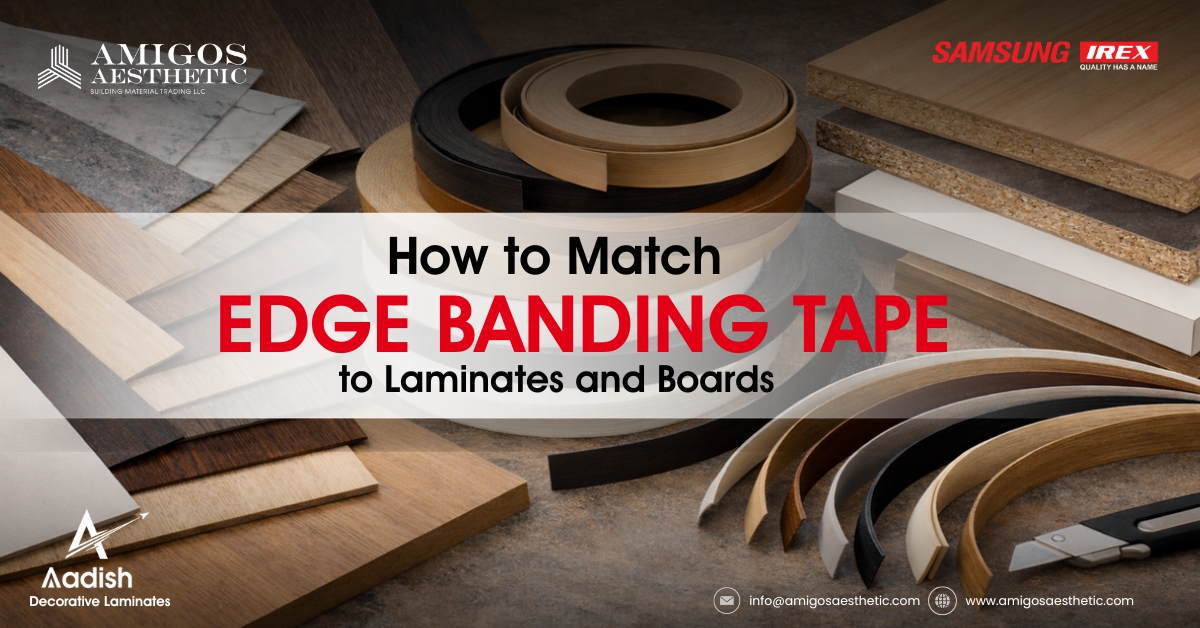
Edge-banding tape may seem like a small detail, but it makes a significant impact on the overall look and durability of furniture and cabinetry. Whether you are a professional carpenter, interior designer, or a DIY enthusiast, choosing the right edge banding is essential to enhance the appearance, strength, and functionality of your project.
Working with reliable edge banding tape suppliers also plays an important role in ensuring consistent quality, better finishes, and materials that match perfectly with different laminates and boards.
In this blog, we will guide you through how to match edge banding with laminates and boards using practical examples, helping you make an informed decision for your furniture projects.
What is edge banding tape?
Edge Banding Tape is a narrow strip made from materials like PVC, ABS, acrylic, or wood veneer, applied to the exposed edges of plywood, MDF, or particle boards. Banding tape helps protect the board from moisture, chipping, and wear while giving furniture a clean, seamless finish. It also improves the overall look and professional quality of furniture.
Example: A glossy white wardrobe with matching white edge banding tape looks smooth and premium, while mismatched matte banding can make the edges look uneven and less appealing.
Key factors to consider when matching edge banding
1. Colour matching
Colour is the most noticeable element, so choosing an edge banding colour that blends seamlessly with the surface is important. Since laminates come in many shades, selecting the right match helps create a clean, professional finish. Many laminate brands also work with edge banding tape suppliers to provide ready-matched collections, making the process easier.
For example, if you are using a walnut laminate, selecting a Plywood Tape with a similar walnut or reddish-brown undertone helps the edges blend naturally with the board and creates a consistent finish.
Tip: Always check samples under natural lighting instead of relying on digital swatches.
2. Texture consistency
Laminate finishes can be matte, gloss, suede, or textured, and the edge banding should match the surface feel to keep the furniture looking natural. For example, a rustic oak laminate with a wood-grain texture should use a matching textured band rather than a smooth glossy one. When selecting materials, also consider the edge banding tape price, as it can vary depending on the finish, texture, and quality.
3. Thickness selection
The typical thickness of edge banding ranges between 0.45 mm and 3 mm, and the choice depends on the durability and application of the furniture. When selecting edge banding tape for laminates, thickness plays an important role in both protection and finish.
- Thin (0.45–0.8 mm): Ideal for decorative items, low-traffic furniture, and shelving.
- Thick (1.5–3 mm): Best for frequently used furniture such as kitchen cabinets, wardrobes, and office desks.
For example, a kids’ study desk with 2 mm edge banding is more durable and resistant to bumps and daily wear than one with thinner banding.
4. Matching Gloss Levels
Consistency in gloss level helps avoid visual differences. It is best to pair a matte laminate with matte banding and a glossy laminate with glossy banding. Many edge banding tape suppliers also offer matching gloss levels to make selection easier and ensure a uniform finish.
For example, using matte black banding with a glossy black laminate can look uneven under light, affecting the overall appearance of the furniture.
5. Using Contrast in Design
Edge banding does not always have to match the surface; sometimes a contrast finish can create a bold and modern look. Using plywood tape or edge banding in a contrasting shade can add a unique design element to furniture.
For example, grey laminate cabinets with bright yellow banding can create a playful look for a children’s room, while a white laminate table with black banding can give a sleek and stylish appearance to an office space.
Final thoughts
Choosing the right edge banding tape may seem like a small decision, but it greatly affects the appearance, durability, and quality of your furniture. From colour and texture matching to thickness and gloss consistency, each detail helps create a clean and professional finish. Reliable edge banding tape suppliers also make it easier to find high-quality options that perfectly match your laminates and boards.
Whether it’s kitchen cabinets, wardrobes, office furniture, or shelves, the right edge banding acts as the finishing touch that completes the design and gives your furniture a premium look.
1. What is edge banding tape used for?
Edge banding tape covers the exposed edges of plywood, MDF, or particle boards, protecting them from moisture and damage while giving furniture a neat finish.
2. How do I choose the right edge banding tape for laminates?
Choose edge banding based on colour, texture, thickness, and gloss level so it matches the laminate and creates a seamless finish.
3. What thickness of edge banding tape should I use?
Edge banding usually ranges from 0.45 mm to 3 mm. Thinner tapes suit decorative furniture, while thicker ones are better for frequently used furniture.
4. Why choose reliable edge banding tape suppliers?
Trusted edge banding tape suppliers ensure better quality, accurate colour matching, and durable materials for a professional finish.
5. Can edge banding be used for design?
Yes, contrasting edge banding colours can add a stylish and modern design touch to furniture.


