
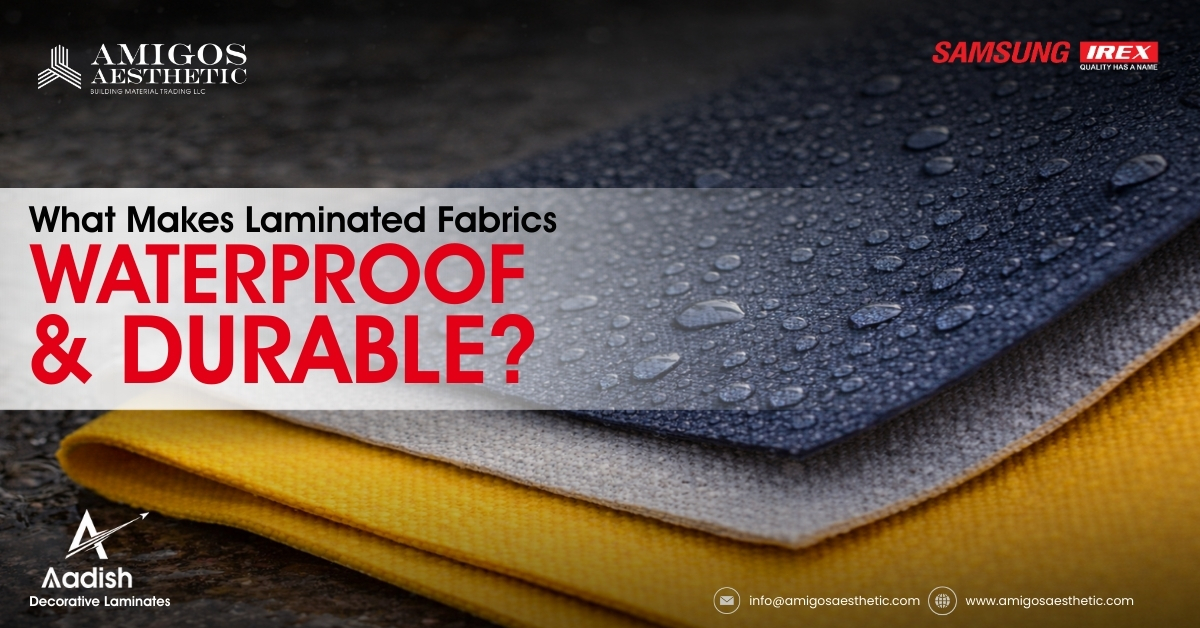
Laminated fabrics have quickly become a favourite across many industries, from stylish fashion pieces and outdoor gear to home interiors and heavy-duty industrial uses. The reason is simple: they offer stronger performance while still looking good and feeling flexible. Much like a high pressure laminate sheet, these fabrics are created by bonding multiple layers under heat and pressure, which enhances durability, water resistance, and strength. But what actually makes laminated fabrics waterproof and long-lasting? Let’s explore it in an easy, practical way.
Understanding Laminated Fabrics
At their core, laminated fabrics are made by joining two or more layers together. Usually, a soft base fabric is combined with a thin protective film or membrane. This extra layer upgrades the fabric from ordinary to high-performance, much like how laminate sheets’ price often reflects the added durability and protection they provide in interiors.
The fabric layer gives comfort, texture, and strength, while the laminated layer adds protection, making the material resistant to water, scratches, and long-term damage. Together, they create a fabric that looks great but works even harder, delivering both style and lasting value.
How the Lamination Layer Works
The waterproof magic comes from the laminated film itself. Materials like PU, PVC, and TPU are commonly used because they create a smooth, sealed surface that blocks water completely, similar to how a high gloss wood laminate finish forms a protective, moisture-resistant layer on furniture and interiors.
Unlike surface sprays or coatings that fade with time, lamination is bonded directly to the fabric, so the protection doesn’t peel or wear off easily. Depending on the design, the fabric can be fully waterproof or lightly water-resistant, making it ideal for rainwear, upholstery, and everyday use. This sealed layer keeps spills, rain, and moisture sitting on the surface instead of soaking in.
Strong Bonding Makes a Big Difference
Durability isn’t just about the materials used, it’s also about how well they’re joined. Laminated fabrics are produced using heat, special adhesives, or hot-melt bonding methods that lock the layers together, a process trusted by leading laminate manufacturers to ensure long-lasting performance.
This strong bonding:
- Stops peeling or cracking
- Prevents layers from separating over time
- Helps the fabric stay flexible even after heavy use
Whether the fabric is folded, washed, stretched, or used daily, high-quality lamination keeps it holding up beautifully for the long run.
Built to Handle Daily Wear
One of the biggest benefits of laminated fabrics is their resistance to damage. The outer layer acts like armour, protecting against:
- Rubbing and friction
- Food and liquid spills
- Scratches and surface marks
That’s why laminated fabrics are widely used in high-traffic items like sofas, backpacks, rain jackets, and workwear, just like laminated plywood, known for its durability and resilience.
Protection Beyond Just Water
Laminated fabrics don’t only block water but also resist everyday challenges, similar to how laminate sheets are designed to handle moisture and surface stress in interiors.
They can protect against:
- Humidity and damp conditions
- Oil and grease
- Certain chemicals
Some advanced laminated fabrics are even breathable, allowing heat and air to escape while still keeping water out. This balance makes them ideal for outdoor clothing, healthcare textiles, and environments where comfort matters just as much as durability.
Longer Life and Better Appearance
Regular fabrics can weaken when they absorb moisture. Over time, this can lead to bad odours, mould, fading, and fibre breakdown. Laminated fabrics avoid these issues by sealing moisture out, much like a high pressure laminate sheet protects surfaces from water damage and daily wear.
This helps to:
- Prevent fabric damage
- Maintain strength and shape
- Keep products looking newer for longer
As a result, laminated materials tend to last far longer than traditional fabrics, even in demanding environments.
Easy to Clean and Maintain
Another reason laminated fabrics are so popular is how simple they are to care for. Most spills can be wiped away in seconds, and stains don’t sink into the fibres easily much like the smooth, sealed surface of a high gloss wood laminate that resists marks and moisture.
Less scrubbing and washing means:
- Less wear over time
- Better colour retention
- Longer product life
It’s a win for both everyday convenience and long-term durability.
Used Almost Everywhere
Due to their waterproof and tough nature, laminated fabrics are widely used across everyday products, a quality trusted by leading laminate manufacturers for both performance and style.
You’ll commonly find them in:
- Outdoor clothing and sports gear
- Furniture and decorative surfaces
- Car and boat interiors
- Medical and hygiene products
- Bags, covers, and luggage
They can also be made soft, glossy, matte, or textured, proving you never have to sacrifice style for durability.
Final Thoughts
Laminated fabrics owe their strength and waterproof qualities to smart layering, strong bonding techniques, and protective membranes that work together seamlessly, much like the engineered durability found in a high pressure laminate sheet. This advanced process transforms ordinary textiles into tough, long-lasting materials designed for modern lifestyles.
Whether it’s keeping rain out, resisting stains, or handling daily wear with ease, laminated fabrics deliver dependable protection with a refined finish, making them a smart choice wherever durability truly matters.


